
Performing a skin analysis is the first and most important step in creating your correct skin care routine. To choose the right products and solve your skin problems effectively, you first need to know your skin. In fact, many people may unknowingly make skin problems worse by using products for the wrong skin type. At this point, Longos Sense Kit developed by Quantum Orbit Labsmakes it possible to perform scientifically accurate skin analysis at home.
With its LED-based sensors and artificial intelligence-supported analysis algorithm, this device can measure your skin's moisture, oil, elasticity and collagen status in just a few minutes.
So, not only with the eyes anymore, with data The period of getting to know your skin has begun. In the blog, you will learn how to perform an accurate skin analysis at home with techniques recommended by experts. We will share with you ways to know your own skin and the tricks of choosing the right care products according to your skin type, especially when you do not have the opportunity to go to a professional skin care specialist.
What is skin analysis and why is it important?
Your skin is actually your body's largest organ and directly reflects your health. Skin analysis is an important process that helps evaluate the current condition of your skin and determine its needs. This first step towards proper skin care reveals your skin type, problems and sensitivities and allows you to create a care routine tailored to you.
What does skin analysis do?
A skin analysis is a comprehensive examination that allows you to understand the true nature of your skin. This process includes detecting the skin's moisture level, oil production, degree of sensitivity, pore structure and possible skin problems. Thanks to regular skin analysis:
- You can accurately determine your skin type (dry, oily, combination, normal or sensitive)
- You can detect existing and potential skin problems at an early stage
- You can avoid using products that are not suitable for your skin.
- You can follow the changes in your skin depending on factors such as seasonal changes.
Additionally, randomly choosing products without proper skin analysis can harm your skin. For example, using products designed for oily skin when you actually have dry skin can cause your skin to become even more dry and irritated. Therefore, the first step in creating an effective skin care routine is to perform an accurate skin analysis.
While this process used to be done only in dermatologist offices, it is now Quantum Orbit Labs developed by AI powered sensor technology Thanks to this, professional analysis has become possible even in the home environment.
Regular skin analysis also allows you to follow changes in the skin. Because your skin type and problems may change over time. Stress, hormones, seasonal changes, age and products used can affect the condition of your skin. Therefore, it is very important to perform a skin analysis several times a year so that you can update your care routine according to the changing needs of your skin.
The difference between professional analysis and home analysis
Skin analysis can be done both at professional dermatologists or skin care specialists and at home. Both methods have advantages and limitations.
In professional skin analysis, experts can examine the surface and lower layers of your skin using special devices and microscopic cameras. In this way, they can detect problems and details that you cannot see with the naked eye. However:
- They can see pigment changes in the lower layers of the skin with UV light technology
- They can use sensitive devices that measure the skin's moisture and oil levels
- They can make a more detailed and scientific evaluation
- They can offer professional treatment recommendations for your skin problems.
On the other hand, although the skin analysis you do at home is simpler, it is very useful for regular follow-up. Analyzes performed at home:
- Does not require any fees
- You can repeat whenever you want
- You can observe your skin changes daily
- You can determine your basic skin type and visible problems
However, keep in mind that an at-home analysis will not be as comprehensive as a professional evaluation. If you have particularly complex skin issues or are having trouble determining your skin type, it may be helpful to seek professional help at least once. From now on, you can follow up regularly with your own observations at home.
Ultimately, skin analysis forms the basis for creating an effective skin care routine. The better you know your skin, the better you can take care of it.

Preparation for skin analysis at home
The preparation phase for an accurate skin analysis is of great importance for the reliability of the results. In order for your home analysis to be successful, some basic conditions must be met. When you follow these preparation steps carefully, you can see the true condition of your skin much more clearly.
Light and mirror selection
Correct light and a quality mirror are essential for skin analysis. First of all, natural daylight is the ideal lighting source as it allows you to see your skin in its true color and texture. Analyzes performed by the window, especially in the morning hours, give the most accurate results.
If you have to use artificial light, opt for white LED or fluorescent lights. Yellow lights can make your skin look better and hide redness. Magnifying mirrors help you examine pores and fine lines in more detail.
When doing your analysis:
- Stand about 20-30 cm away from the mirror
- Examine your face from different angles (profile, front and under the chin)
- If you use a magnifying mirror, do not forget to examine problem areas such as the T-zone, chin area and forehead in more detail.
cleansing the skin
It is critical that your skin is completely clean before the analysis to get accurate results. To do this, follow these steps:
Wash your skin with a pH-balanced, gentle cleanser. Foam, gel or milky cleansers can be preferred depending on your skin type. Make sure that any traces of make-up are completely removed, as even the slightest residue can affect the accuracy of the analysis.
After cleansing the skin, rinse with warm water and dry gently. Avoid scrubbing, exfoliating or intense scrubbing at this stage. This way, you can analyze your skin without disturbing its natural structure.
However, do not apply any products after cleansing. Products such as moisturizers, serums and tonics change the natural structure of the skin and may lead to misleading results. The ideal situation is for your skin to be completely bare and product-free.
Right time for analysis
When to do your skin analysis is very important for the reliability of the results. For the most accurate results, you can analyze 30 minutes after waking up in the morning or 20 minutes after cleansing your skin before going to bed in the evening.
Avoid skin analysis if:
- After intense physical activity
- After entering the sauna
- Immediately after taking a very hot shower
- When you are extremely stressed or tired
- Within 12 hours after alcohol consumption
- In the first days of the menstrual period for women
Additionally, it is important to repeat the skin analysis at regular intervals. Performing regular analysis during seasonal changes, before starting a new skin care product or every three months, allows you to follow changes in the condition of your skin.
On the other hand, the humidity, air pollution and climatic conditions of the area where you live can also affect the condition of your skin. Therefore, be careful to perform your analysis at a time when your skin is in its normal condition.

How to determine skin type?
The most basic step in the skin analysis process you will do at home is to correctly determine your skin type. Many people misidentify their skin type and, as a result, end up using inappropriate products. However, with simple observations and tests, you can recognize the true character of your own skin, so you can create the right care routine. There are several effective methods to determine your skin type, and by applying them regularly, you can follow the changing needs of your skin.
How to do the napkin test?
The napkin test is one of the simplest and most practical methods to determine your skin type. Before you wake up and wash your face, gently press a clean tissue onto your forehead, nose, chin, and cheeks. You can get important clues about your skin type according to the oil traces on the napkin:
- Oily skin: Noticeable traces of oil appear on all contact points of the napkin
- Combination skin: There are traces of oil in the T-zone (forehead, nose and chin), while cheeks remain dry
- Dry skin: No traces of oil can be seen on the napkin, sometimes it may leave slight flaking.
- Normal skin: Very light traces of oil may be visible but not obvious
You should do this test especially in the morning, before washing your skin and applying any product. You can also observe seasonal changes by repeating the test in different seasons.
Oil and moisture balance in the skin
For accurate skin analysis, it is necessary to evaluate oil and moisture balance separately. Oily skin does not have to be moist at the same time; Even oily skin can experience a lack of moisture. You can control the moisture and oil balance by:
Gently squeeze your cheeks to understand the moisture level of your skin. If lines are visible and the skin is tight, it is likely dehydrated. In addition, if your skin feels tight, uncomfortable, itchy or flaky during the day, there may be a lack of moisture.
To check the oil level, the appearance after waking up in the morning is important. A shiny and oily appearance indicates that the sebaceous glands are actively working. Enlargement of pores and the presence of blackheads, especially around the nose, indicate excessive oil production.
Examination of pore structure
The size and distribution of your pores provide important clues in determining your skin type. Using a magnifying mirror, you can examine your pore structure as follows:
- Large and prominent pores: It is usually indicative of oily skin type. They are especially visible in the nose, forehead and chin area.
- Invisible or very small pores: On dry skin types, pores can be almost invisible.
- Mixed distribution: Large pores in the T-zone and small pores in the cheeks and periphery areas indicate combination skin type.
Also check if the pores are clogged. Blackheads and whiteheads (milia) indicate that pores are clogged and there may be a problem with your skin's oil balance.
Texture of skin surface
Examining skin texture helps determine both your skin type and potential problems. You can feel the texture by gently touching different areas of your face with your fingertips:
- Smooth and velvety texture: It is often indicative of normal and balanced skin.
- Rough and irregular texture: May indicate dry skin or problems with cell renewal
- Thick and hard texture: Usually found in oily skin
- Fine and delicate texture: Appears on dry and sensitive skin types
You can also do the “pinch test” to check the elasticity of the skin. Gently pinch your cheek and see how quickly it recovers when you release it. It means that the skin that recovers quickly maintains its elasticity. Skin that recovers slowly may be experiencing moisture loss.
When performing an accurate skin analysis, it is important to look at a combination of all these factors, not a single symptom. This way, you can determine your skin's true type and create a care routine that suits its needs.
How to observe skin problems?
Success in skin care is possible not only by knowing your skin type, but also by correctly recognizing the problems that occur in your skin. When performing a detailed skin analysis, you need to carefully examine not only your general skin type but also the various signals your skin gives. Detecting skin problems at an early stage can help you prevent bigger problems.
Redness and tenderness
Accurately observing redness and sensitivity in a skin analysis is key to knowing if you have reactive skin. Examine your skin in natural light to detect redness, paying particular attention to the cheeks, sides of the nose, and chin area. Persistent redness is often a sign of dilation of surface blood vessels or tenderness.
To determine sensitivity, pay attention to these points:
- A feeling of heat or burning when touched
- Flushing after sudden changes in weather conditions
- Stinging or itching when skin care products are applied
- Increased redness after exposure to sunlight
Even light pressure can cause redness on sensitive skin. Gently press it on your face and observe how quickly it returns to normal after you release it. Slow-healing rashes indicate that your skin is sensitive.
Dryness and flaking
Dry skin is a skin condition that does not retain enough moisture and often feels tight. Look closely at your skin to observe dryness and even feel the surface texture by gently touching it with your fingers.
To spot signs of dryness, look for:
- Skin looks dull and dull
- Fine lines become evident when facial expression changes
- Flaking, especially in the cheek area or around the mouth
- Feeling of tightness and tension on the skin
However, to better see the flaking, wait 15-20 minutes after cleansing your skin and then gently pat it with your finger on a black background. If there are bits of skin falling off, these are signs of flaking and indicate that you need moisturizing.
Blackhead and acne tendency
Blackheads and acne occur as a result of excess oil production and clogging of pores. It is ideal to use a magnifying mirror to observe these problems.
Blackheads appear especially on the nose, chin and forehead area and are clogged pores that come into contact with air. To understand acne tendency, pay attention to these symptoms:
- Shiny and oily appearance in the T zone
- enlarged pores
- Blisters or small red spots on the skin surface
- Frequently recurring acne in the same areas
It may also be useful to monitor the oiliness of the skin throughout the day. You can understand your oil production level by observing how oily your skin becomes at noon after you cleanse it in the morning.
Tone differences and blemishes
Skin tone differences and blemishes are often the result of sun damage, hormonal changes or aging. To observe these, you need to examine your skin in daylight and using a magnifying mirror.
Compare different areas of your skin to detect differences in tone. Especially look at the tone differences between the cheeks, forehead and chin. For blemishes, look out for dark brown spots, sun spots or red marks.
Examine your makeup-free skin from different angles and lighting conditions to better see tonal imbalances. Especially the tone differences between the jaw line and neck indicate the points you should focus on in your skin care.
As a result, it is not enough to just determine the skin type for a detailed skin analysis. By carefully observing the skin problems mentioned above, you can create a care routine specific to your skin needs.
What should be done after the analysis?
After successfully completing the skin analysis, it is time to create a care plan specific to your skin using the information you have obtained. The skin type and problems you discover in the analysis will form the basis of your next steps. Choosing the right products and following a consistent care routine will significantly improve your skin health.
Creating a care routine suitable for your skin type
After determining your skin type, you need to create a care routine accordingly. Although the basic steps are similar for each skin type, the content of the products used and the frequency of use vary.
For oily skin It is ideal to use cleansers in foam or gel form in your daily routine. It is recommended to clean twice a day, in the morning and in the evening. Using a light, water-based moisturizer and oil-control toner provides great benefits. Applying clay-based masks 1-2 times a week helps clean the pores.
For dry skin Choose creamy or milky cleansers. Cleaning once a day, preferably in the evening, is sufficient. Intensive moisturizing creams and nourishing oils provide the moisture your skin needs. You can apply a moisturizing mask once a week.
For combination skin Different approaches are required for the T-zone and cheeks. You can cleanse the T-zone with a gel cleanser and the cheeks with a creamier product. Alternatively, you can choose a balanced cleanser and apply different toners and moisturizers to different areas.
For sensitive skin Perfume-free, alcohol-free and hypoallergenic products should be chosen. Cleansing products should be gentle and not irritate the skin. Create a routine with a small number of products with simple ingredients and be sure to test them on a small area before switching to a new product.
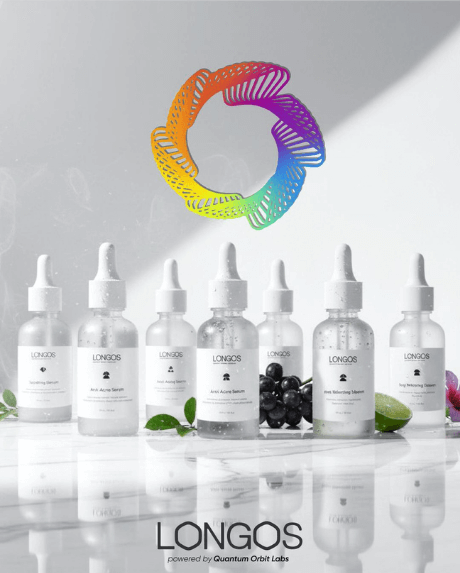
Which products should be preferred?
When choosing products based on skin analysis results, you need to focus on the problems you detect as well as your skin type:
- For acne problem: Products containing salicylic acid or benzoyl peroxide
- For wrinkles: Care products containing retinol, peptides and antioxidants
- For stains: Brightening products containing vitamin C, niacinamide and alpha hydroxy acids
- For dryness: Moisturizers containing ceramides, hyaluronic acid and glycerin
- For precision: Calming products containing panthenol, aloe vera and thermal water
First, start with the basics: cleanser, moisturizer, and sunscreen. These are must-haves for every skin care routine. You can then add serums, masks or special care products according to your skin's needs.
Follow analysis results
Skin analysis is not a one-time process. Your skin is constantly changing due to seasonal changes, hormonal fluctuations, aging and lifestyle changes. Therefore, it is important to repeat the analysis at regular intervals.
It may be helpful to keep a volume journal to keep track of your analysis results. In this log:
- The products you use
- Changes you observe in your skin
- How your skin reacts to new products
- Take note of how seasonal changes affect your skin
In addition, by repeating the skin analysis every three months, you can evaluate the effects of your care routine and make necessary updates. It would be appropriate to repeat the analysis, especially before you start using a new product or when you notice a change in your skin.
On the other hand, in some cases it may be necessary to seek professional help. If you are experiencing serious skin problems or if the care routine you follow after your home analysis does not produce the results you want, do not hesitate to consult a dermatologist or skin care specialist.
Conclusion
Performing a skin analysis at home is the most basic step in understanding your skin's true needs and creating an effective care routine.
You can determine your skin type with simple self-tests with the right light, clean skin and appropriate timing.
Methods such as the napkin test, examining the pore structure and checking the skin texture help you get to know your skin.
But skin analysis is no longer just about observations — a process that can be measured with data has become.
Longos Sense Kit developed by Quantum Orbit Labsbegins a new era in skin analysis.
By combining artificial intelligence and quantum sensor technology, this device measures your skin's oil, moisture, elasticity and collagen levels in just a few minutes.
Thus, the analyzes you perform at home can now provide scientifically accurate results.
Longos Sense Kit's difference is that it does not only analyze; processing the data obtained personalized care recommendations is to create.
By automatically adjusting the LED wavelength, temperature and vibration mode according to the condition of your skin that day,
determines the most appropriate care protocol for you.
In this way, you can avoid choosing the wrong product or unnecessary care steps and preserve the biological balance of your skin.
Especially redness, dryness, acne proneness, or tone differences detecting problems early, such as
It allows you to develop special solutions for your skin.
Longos Sense Thanks to the data provided by the Kit, you can now instantly follow the changes in your skin,
You can base your care routine on a scientific basis.
Remember: Skin analysis is not a process that can be done once and forgotten.
Seasonal changes, hormone balance and lifestyle differences can affect your skin structure.
Therefore, it is very important to analyze regularly and update your maintenance routine when necessary.
As a result; Whether you proceed with classical methods or with the technological support of Quantum Orbit Labs —
Knowing your skin is the strongest investment for a healthy skin.
The care, patience and attention you show to your skin; to you in the long run A more balanced, bright and youthful skin will return as.
And don't forget, beauty is not in the future, it is now in the hands of Quantum Orbit. 🌿✨